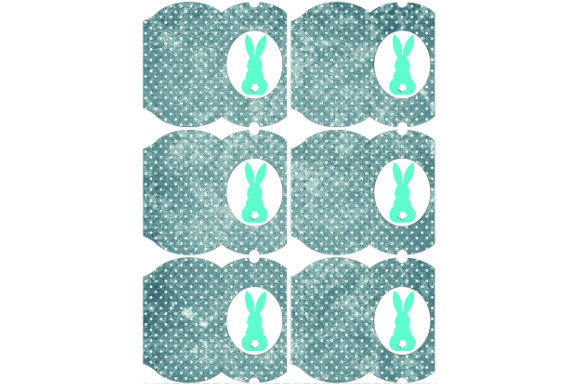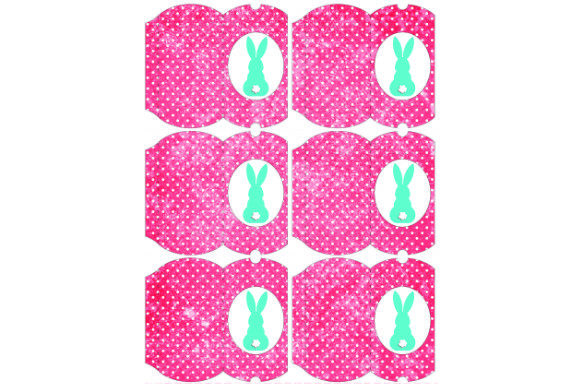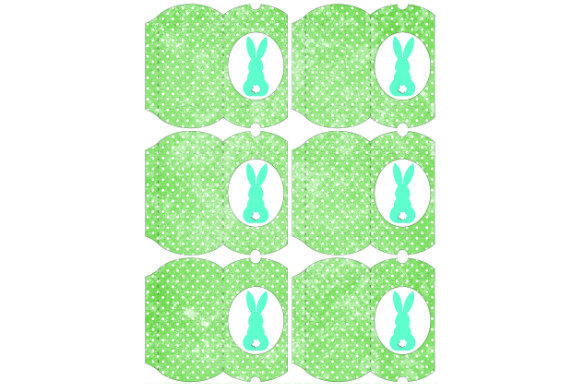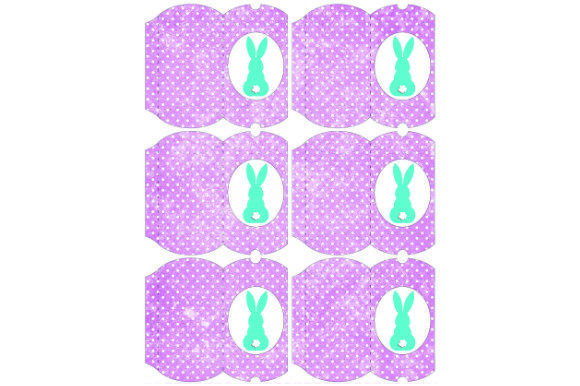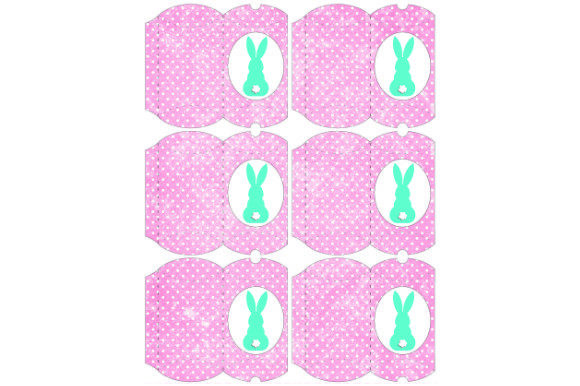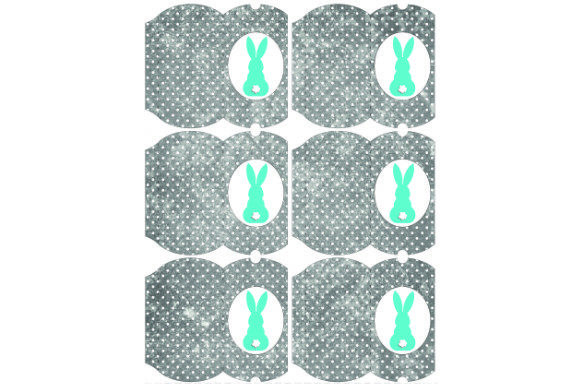
Pillow Boxes Bunny a.10.: 3D SVG Gift Boxes for Branding
As a brand designer and content marketer, I am constantly scouting for graphic design assets that bridge the gap between whimsical charm and professional utility. When I first opened the files for Pillow Boxes Bunny a.10., my immediate reaction was one of delight mixed with strategic calculation. In the world of small business branding, especially for handmade goods and lifestyle products, the emotional tone of your visuals dictates audience perception. This digital product offers a specific mood: it is approachable, soft, and inherently celebratory. It does not scream "corporate enterprise," but rather whispers "thoughtful gift" and "handcrafted care."
Setting the Mood for Seasonal Campaigns
Imagine a scenario where a boutique bakery or a handmade soap creator is launching a Spring Collection. The marketing goal is to evoke feelings of renewal and joy. Pillow Boxes Bunny a.10. fits perfectly into this workflow. The design creates an instant emotional connection, signaling to the customer that the contents inside are special. For content creators and social media managers, this asset serves as a powerful tool to break up the monotony of standard product photography. By integrating these cute, little containers into marketing visuals, you elevate the perceived value of the item inside, transforming a simple transaction into a gifting experience.
The versatility of this design bundle lies in its ability to support various commercial design needs. Whether you are designing packaging design for physical goods or creating printable design templates for digital download shops, the aesthetic remains consistent. It works exceptionally well for brands that rely on audience trust built through transparency and warmth. When a customer sees cohesive, high-quality illustrations like these, they subconsciously associate that attention to detail with the quality of the product itself.
Strategic Applications Across Marketing Channels
In practical terms, Pillow Boxes Bunny a.10. performs robustly across multiple channels. For logo design accents or product label embellishments, these elements add a layer of personality without overwhelming the primary brand mark. I envision using them in social media graphics specifically for Instagram Stories and Pinterest Pins, where vertical space allows the box shape to shine. They act as excellent framing devices for text, drawing the eye to promotional offers or seasonal announcements.
For digital ads and Facebook ads, the clarity of the 3D SVG format ensures that the graphics remain crisp regardless of scaling. This is crucial for maintaining professional branding standards. When used in email banners, these Gift Boxes can serve as visual anchors that guide the reader toward a call-to-action button. Furthermore, for those creating Canva templates to sell or use internally, this asset provides a ready-made structure that users can customize, saving hours of design time while ensuring a modern design look.
The asset also shines in editorial design for blog posts or lookbooks. Placing these illustrations alongside product descriptions creates a visual hierarchy that makes the content more digestible and engaging. For web design, they can be used as decorative elements in hero sections or as icons representing different product categories, enhancing the overall user experience.
Driving Engagement and Brand Recognition
The primary marketing goal of using Pillow Boxes Bunny a.10. is to create a stronger first impression. In a crowded creative marketplace, distinctiveness is key. These illustrations help establish a unique visual language that competitors may lack. By consistently using these motifs across content marketing efforts, brands can improve recognition and recall. The emotional resonance of the bunny theme taps into nostalgia and affection, which are powerful drivers for engagement.
Moreover, the asset supports better product presentation. When customers visualize their purchase in a beautifully illustrated container, the desire to own that experience increases. This is particularly effective for lead magnets and media kits where the visual appeal can determine whether a potential client or subscriber converts. The SVG design format allows for infinite scalability, meaning these graphics can be used on everything from massive trade show posters to tiny stickers included in shipment packages, ensuring visual consistency across all touchpoints.
Ideal Use Cases and Placement Strategies
To maximize the impact of Pillow Boxes Bunny a.10., placement is critical. These graphics work best as hero graphics for landing pages promoting seasonal sales, such as Easter or baby showers. They are ideal for campaign headers where the message is light-hearted and inviting. As packaging accents, they can be printed on cardstock and assembled to create tangible favor boxes for events, adding a tactile dimension to the brand experience.
They also excel in content bundles designed for party planners or event coordinators. Including these in a design assets package adds significant value for the end-user. For promotional banners, the distinct shape of the pillow box draws the eye immediately, making it an effective tool for highlighting limited-time offers. In decorative brand elements, they can be scattered subtly in the background of patterns or watermarks to reinforce brand identity without distracting from the main message.
Navigating Limitations and Design Constraints
However, every design asset has its boundaries. Pillow Boxes Bunny a.10. should be used carefully in formal corporate branding contexts where a serious, austere tone is required. The playful nature of the bunny motif might undermine the authority of a financial or legal firm. Additionally, in dense information layouts or text-heavy ads, these illustrations could compete with the copy, causing visual clutter. It is essential to maintain adequate white space to let the graphics breathe.
Caution is also advised when using these on small mobile graphics where fine details might get lost. If the 3D SVG elements are too intricate, they may appear muddy on low-resolution screens. Similarly, placing them on low-contrast backgrounds can reduce their visibility. For overly minimal brands that rely on stark typography and monochrome palettes, introducing a colorful, illustrative element like this might disrupt the established aesthetic unless adapted strictly to the brand's color code.
Professional Notes for Implementation
Before deploying Pillow Boxes Bunny a.10. in a live campaign, I recommend several practical steps. First, test it with the brand color palette. While the original design is charming, recoloring the vector paths to match your specific hex codes ensures seamless integration. Second, check black and white usage to ensure the design holds up in grayscale printing, which is common for invoices or internal documents.
Always place it inside real campaign mockups before finalizing. Seeing the asset in context reveals how it interacts with photography and typography. Preview it on mobile screens to verify that the visual hierarchy remains intact on smaller devices. Test readability in small sizes if the boxes contain text or intricate patterns. It is also wise to compare it against competitor visuals to ensure your brand stands out rather than blends in.
Typography pairing is another crucial consideration. Experiment with how the asset pairs with serif font styles for a classic look, sans serif font for modernity, or script font and handwritten font styles to amplify the handmade feel. Avoid overly decorative display font styles that might clash with the illustration's complexity. Finally, always review spacing and balance to prevent the design from feeling cramped, and most importantly, confirm commercial licensing before using it in paid campaigns, client work, or business branding to ensure full compliance and peace of mind.
In conclusion, Pillow Boxes Bunny a.10. is a versatile and emotionally resonant graphic design asset that, when used strategically, can significantly enhance brand identity and marketing visuals. By understanding its strengths and limitations, designers and marketers can leverage this creative design tool to create memorable, engaging, and professionally polished campaigns that resonate deeply with their target audience.