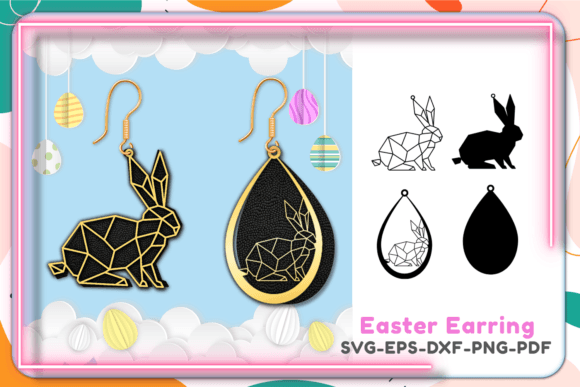
Review: 3D Layered Easter Bunny Earring Design
As a designer who spends more time staring at stitch maps than actual fabric, I have learned to be skeptical of digital assets that promise "instant charm." We have all been there: downloading a cute seasonal motif, only to find the satin stitches are too wide for the scale, or the fill density turns a soft cotton tee into a stiff cardboard patch. So, when I pulled up the 3D Layered Easter Bunny Earring files for a recent spring collection review, my first instinct was not excitement, but scrutiny. I needed to know if this design could hold its own in a real-world embroidery project, or if it was just another pretty picture that fails under the needle.
First Impressions and Visual Personality
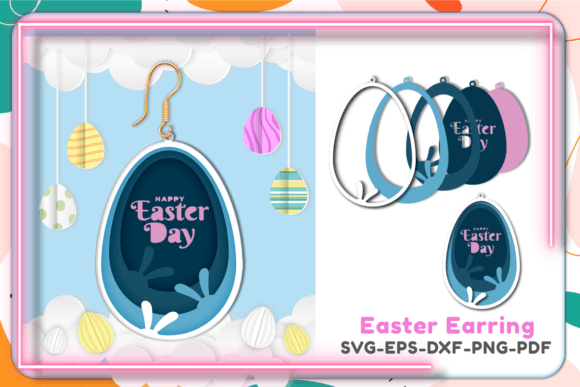
The immediate appeal of the 3D Layered Easter Bunny Earring lies in its structural simplicity. It does not try to do too much. In the world of machine embroidery, less is often more, especially when dealing with small-scale items like accessories or delicate apparel accents. The design relies on clean lines and distinct separation between layers, which suggests a modern, graphic aesthetic rather than a traditional, textured look. This is crucial for contemporary craft businesses where minimalism often sells better than clutter.
From a visual standpoint, the "layered" aspect implies depth. In embroidery terms, this usually means careful planning of stitch order to ensure that foreground elements sit cleanly on top of background shapes without unsightly pull or distortion. When I examined the preview files, the silhouette felt balanced. It evokes a playful, whimsical mood perfect for holiday embroidery, yet it remains sophisticated enough for boutique branding. It feels like a design that respects the viewer’s intelligence, avoiding the overly cartoonish traps that can cheapen a handmade product.
Real-World Application: Beyond the Hoop
To truly test the viability of this asset, I imagined it in several practical scenarios. While the title specifies "Earrings" and the category hints at Laser Cutting, my focus as an embroidery reviewer is on how these vector shapes translate to thread. Let us consider a custom apparel project. Imagine a high-quality, heavyweight sweatshirt. Placing this bunny motif on the left chest area creates a subtle, personalized gift vibe. Because the design appears to rely on distinct shapes, it would work beautifully as an applique design. Using a contrasting fabric for the bunny body and stitching around the edges with a tight satin stitch would reduce bulk while maintaining that "3D" layered look.
Another strong use case is the tote bag design. Canvas fabrics handle higher stitch densities well, allowing the 3D Layered Easter Bunny Earring to pop without sinking into the weave. For Etsy sellers looking to refresh their spring inventory, this could be the anchor piece for a limited-run collection. It is not just about stitching it on; it is about how the finished product photographs. The clean lines make it ideal for printable mockups, allowing digital product sellers to showcase the design on various backgrounds before committing to production.
Technical Considerations for Stitching
Here is where the rubber meets the road. A design might look perfect on screen, but how does it behave on fabric? The term "layered" in the title suggests multiple components. In embroidery, this means you must pay close attention to your stabilizer choice. If you are stitching this on a stretchy fabric like a jersey t-shirt, a cut-away stabilizer is non-negotiable to prevent distortion. For woven fabrics like linen or cotton, a tear-away might suffice, but I always recommend testing on scrap fabric first.
Stitch density is another critical factor. If the design uses heavy fill stitch areas, it can cause puckering, especially on thinner materials. I advise checking the stitch count and density settings in your embroidery software before loading the file onto your machine. If the design is intended for laser cutting as well, the vector paths need to be clean. The provided SVG and DXF files should be inspected for closed paths to ensure smooth cutting if you are hybridizing your production methods. However, for pure embroidery, ensure that any satin stitch borders are not too wide for the hoop size you are using. A 4x4 hoop might be tight if the design has large expansive fills, so confirm the dimensions early.
Navigating Fabric and Color Challenges
Color contrast can make or break this design. Since the 3D Layered Easter Bunny Earring relies on layering for its effect, using thread colors that are too similar will flatten the image. I recommend choosing high-contrast thread colors to emphasize the depth. For example, a pastel pink bunny on a white background might get lost, whereas a deep navy or charcoal outline with a soft pink fill would create definition. Always test your thread colors on both light and dark fabric backgrounds. What looks vibrant on white cotton might disappear on heather gray fleece.
Be cautious with textured fabrics. Terry cloth or thick towels can swallow small details. If the bunny has tiny features like eyes or inner ear details, they may not stitch out clearly on high-pile fabrics. In such cases, simplifying the design or increasing the stitch length slightly can help. Also, avoid placing this design on curved surfaces like caps unless you have significant experience with hooping tricky garments. The layered nature of the design requires a flat, stable surface to ensure each layer aligns perfectly.
Commercial Value and Brand Consistency
For small shop owners and creative entrepreneurs, consistency is key. Does this design fit your brand voice? If your shop specializes in rustic, vintage aesthetics, this modern, layered bunny might feel out of place. However, if your brand leans toward contemporary, clean, and playful, it is a strong addition. The professionalism of the final stitched product reflects directly on your brand. A well-executed 3D Layered Easter Bunny Earring embroidery project signals attention to detail, building customer trust.
Furthermore, consider the licensing. The product description mentions digital downloads including SVG, DXF, PNG, EPS, and PDF files. It is vital to read the specific license terms included in the download. Can you use this for commercial embroidery projects? Can you sell the finished physical items? Never assume. Clarifying these rights protects your business and ensures you are respecting the creator’s intellectual property.
Final Verdict and Designer Notes
In conclusion, the 3D Layered Easter Bunny Earring is a versatile asset that bridges the gap between digital precision and handmade charm. It is not just a file; it is a tool for creating memorable personalized gifts and standout small shop products. My advice is to approach it with a tester’s mindset. Run a sample on your most common fabric type. Check the tension. Adjust the density if needed. When used correctly, this design can elevate your spring collection, offering a fresh take on holiday embroidery that feels both professional and heartfelt. Whether you are an experienced decorator or a hobbyist just starting your craft business, this design rewards careful preparation with a polished, high-value finished product.