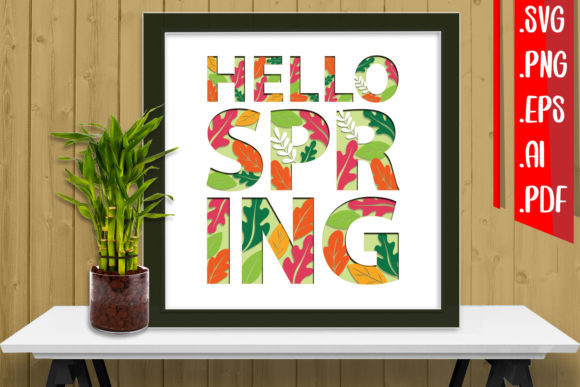
Spring Layered Papercut 4 SVG: 3D SVG for Shadow Boxes
As a digital publisher who spends hours curating the visual identity of my blogs, I know that the difference between a reader bouncing and clicking often comes down to the first impression. When I opened the Spring Layered Papercut 4 SVG, my immediate thought was not just about the artwork itself, but about its potential to elevate an entire content strategy. This isn't just a pretty picture; it is a versatile graphic design asset designed to bring depth and texture to flat screens.
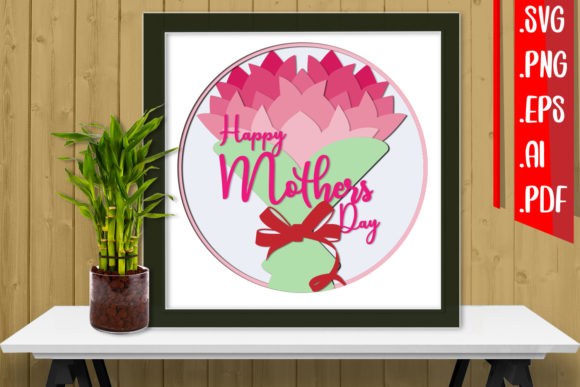
The editorial mood this piece creates is undeniably fresh and inviting. It strikes a perfect balance between artistic flair and approachable lifestyle aesthetics. For niches focused on home decor, seasonal gardening, DIY crafts, or even gentle parenting, this design signals warmth and creativity instantly. It feels less like a corporate stock photo and more like a handcrafted element, which builds immediate trust with an audience looking for authentic voices. The layered nature of the cut suggests dimension, making it an ideal candidate for projects requiring a touch of sophistication without being overly formal.
Integrating Depth into Your Publishing Workflow
In my workflow, versatility is king. A single digital download needs to work across multiple platforms to justify the investment. The Spring Layered Papercut 4 SVG excels here because it arrives as a comprehensive package. You receive a zip file containing SVG, EPS, AI, PNG, and PDF formats. This variety means you aren't stuck resizing a low-resolution JPEG for a high-stakes project.
Consider the humble Pinterest pin. In the crowded world of social media graphics, standing out requires texture. By using the PNG version of this asset as a background or overlay, you can create pins that look tactile and premium. The layers allow you to manipulate the depth in tools like Photoshop or Canva, placing your headline text behind certain floral elements but in front of others. This technique creates a stunning visual hierarchy that guides the eye naturally to your call-to-action.
Beyond social media, this asset shines in editorial design for blog headers. Imagine a spring-themed roundup post or a guide on seasonal refreshments. Using the 3D SVG file, you can scale the graphic infinitely without losing quality, ensuring your website header looks crisp on retina displays and mobile devices alike. It transforms a standard blog layout into something that feels curated and expensive, reinforcing your brand identity as a publisher who cares about details.
Boosting Click-Through Rates with Visual Polish
Why does this matter for performance? Because readers equate professional design with credible information. When your blog graphics look polished, users are more likely to trust your affiliate recommendations or download your resources. The Spring Layered Papercut 4 SVG supports this by adding a layer of professionalism that generic templates often lack.
I see this working exceptionally well for lead magnets and digital guides. If you are creating a downloadable checklist for spring cleaning or a workbook for garden planning, incorporating this design into the cover art adds perceived value. It turns a simple PDF into a desirable printable design. For affiliate marketing, using these visuals in your comparison tables or product review sidebars can break up text-heavy sections, keeping the reader engaged longer and increasing the likelihood of a conversion.
The key is consistency. By using this asset across your newsletter headers, category thumbnails, and even your media kit, you create a cohesive visual language. Readers begin to recognize your content before they even read the title. This kind of small business branding is crucial for growing a loyal audience in a saturated market.
Strategic Placement and Design Considerations
While this asset is powerful, it must be used strategically. It works best as a hero image, a focal point in an article thumbnail, or an accent in a clean layout. However, caution is required when dealing with small mobile thumbnails where intricate layers might blur together. In those cases, simplify the composition or use the solid PNG version to maintain clarity.
Furthermore, be mindful of contrast. The delicate nature of papercut designs can get lost against busy backgrounds or low-contrast color schemes. Always test your web design elements on both light and dark modes. If your niche is strictly corporate or serious financial news, this playful, organic style might clash with your established tone. It is best suited for lifestyle, creative, educational, and seasonal content where a softer touch is welcomed.
Practical Notes for the Modern Publisher
Before launching this into your live environment, run through a quick quality assurance checklist. First, test the graphic on actual mobile devices. What looks balanced on a desktop monitor might feel overwhelming on a phone screen. Second, preview the asset alongside your primary typography. Does it pair well with your serif headlines? Does it complement your sans-serif body text? Try it with script fonts for a whimsical look or bold display fonts for a modern contrast.
File performance is another critical factor. While SVGs are lightweight, ensure your exported PNGs for web use are compressed properly to avoid slowing down your page load times. Speed is a ranking factor, and no amount of beautiful creative design is worth sacrificing user experience.
Finally, always verify the licensing terms. Since this is a commercial design asset intended for creators, confirm that your usage aligns with the commercial license provided, especially if you are selling products featuring this art or using it on monetized affiliate pages. The listing indicates an instant delivery of a zip file with multiple formats, giving you the freedom to adapt the Spring Layered Papercut 4 SVG for virtually any content marketing need.
In conclusion, integrating high-quality design assets like this into your publishing stack is a smart move for any serious blogger or digital entrepreneur. It offers a blend of artistic charm and technical flexibility that can significantly upgrade your visual presentation. Whether you are building a Canva template for clients or designing your next eBook cover, this tool provides the foundation for content that looks as good as it reads.