Dotted Lines X-mas Tree Cone Tea Light Review
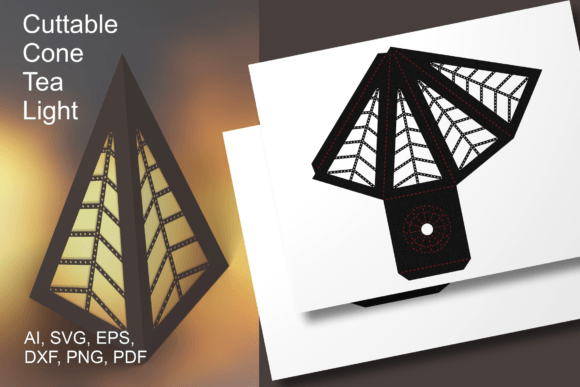
As a designer who spends more time staring at stitch maps than actual holiday decorations, I approach every new machine embroidery design with a mix of curiosity and skepticism. We have all seen those digital files that look stunning on a screen but turn into a thready mess once the needle hits the fabric. That is why I took a close look at the Dotted Lines X-mas Tree Cone Tea Light. At first glance, the title suggests a paper craft template—a cuttable DIY pyramid shade—and that initial confusion is worth addressing before we even thread the machine.
The core of this review is determining whether this asset translates from a paper lantern concept into a viable embroidery project for custom apparel or home decor. If you are an Etsy seller or a small shop owner looking to expand your holiday catalog, understanding the visual language of this design is crucial. The "dotted lines" aesthetic implies a minimalist, sketch-like quality. In the world of embroidery, this usually translates to running stitches or light fill patterns rather than dense satin columns. This is a significant distinction because it dictates where and how you can use the digital embroidery file effectively.
First Impressions: Minimalism Meets Holiday Warmth
When I loaded the preview for the Dotted Lines X-mas Tree Cone Tea Light, the immediate mood was one of quiet nostalgia. Unlike the heavy, blocky Christmas trees we often see in standard libraries, this design relies on negative space. The "cone" shape suggests a stylized evergreen, while the "tea light" element hints at an inner glow. For an embroiderer, this is exciting because it offers a break from covering every inch of fabric with thread.
The visual personality here is delicate. It feels less like a bold logo and more like a hand-drawn illustration. This makes it an excellent candidate for projects where subtlety is key. If you are creating a personalized gift for a client who prefers modern farmhouse aesthetics over traditional glitz, this design fits the bill perfectly. However, the reliance on dotted lines means your thread colors and fabric choice will do 80% of the heavy lifting. A dark thread on a light fabric will pop, but the reverse might get lost entirely.
Real-World Application: From Concept to Finished Product
To truly test the viability of this design, I imagined a specific scenario: a custom order for a boutique coffee shop needing branded sweatshirt embroidery for their winter staff uniforms. They wanted something festive but not childish. The Dotted Lines X-mas Tree Cone Tea Light seemed ideal for the left chest area of a heather grey crewneck.
In this context, the design shines. The open nature of the dotted lines allows the texture of the fleece or French terry to show through, creating a sophisticated, integrated look rather than a plastic-like patch sitting on top. It would also work beautifully as a tote bag design for holiday market shoppers. Imagine a natural canvas bag with this tree stitched in deep forest green or a warm terracotta. It elevates the handmade product feel, signaling to the customer that thought went into the branding.
For those making baby embroidery items, such as a muslin swaddle or a knit cap, the low stitch density implied by the "dotted" style is a major plus. Babies have sensitive skin, and heavy saturation can be irritating. A lighter, airier design ensures comfort while still delivering that holiday spirit. Furthermore, if you are selling design assets or finished goods, this versatility increases your potential buyer engagement. It appeals to the minimalist, the traditionalist, and the modern maker alike.
Navigating Fabric Textures and Hoop Constraints
While the aesthetic is strong, practical execution requires caution. The term "3D SVG" in the product description typically refers to vector graphics used for cutting machines or laser engraving paper, not necessarily a native embroidery format like PES or DST. Before committing to a production run, you must verify the file formats provided. If this is indeed a vector intended for conversion, you will need to manually digitize the "dotted lines" into actual stitch types.
If the file is already digitized, pay close attention to the stitch density. Dotted lines often rely on short runs. On stretchy fabrics like jersey knits or performance blends, these short stitches can pucker easily if the stabilizer isn't up to the task. I strongly recommend using a cut-away stabilizer for any garment that will be washed frequently, such as a kitchen towel or apron. Tear-away might suffice for a decorative pillow cover that sees little wear, but for custom apparel, durability is non-negotiable.
Also, consider the hoop size. While the design sounds compact, ensure your machine can handle the placement you desire. If you are stitching on a curved surface like a cap, the cone shape of the tree needs to be centered perfectly; otherwise, the perspective will look off. Small details matter immensely when the design is this stripped back. There is nowhere for errors to hide.
Commercial Viability and Brand Consistency
For the craft business owner, consistency is currency. Using the Dotted Lines X-mas Tree Cone Tea Light across a collection—say, on oven mitts, table runners, and tote bags—creates a cohesive brand identity. The simplicity of the design ensures it scales well. It won't lose its charm when resized smaller for a patch or larger for a blanket throw.
However, a word of warning regarding licensing: since the original description mentions "cuttable DIY" and "paper shade template," there is a possibility this asset was primarily designed for papercrafters. If you are using this for commercial embroidery, you must double-check the license terms. Can you sell finished physical goods? Can you sell the digitized version? Never assume a file bought for one purpose covers another. Protecting your small shop product line starts with clear rights management.
Final Verdict: A Delicate Touch for the Season
The Dotted Lines X-mas Tree Cone Tea Light is a charming addition to a holiday library, provided you understand its limitations and strengths. It is not a workhorse design for heavy-duty gear, but it is a star performer for lifestyle products, boutique gifts, and soft home decor. Its value lies in its ability to suggest festivity without shouting.
Before you start stitching, my advice is to run a test on scrap fabric that matches your final material. Check the contrast of your thread against the background. Does the "glow" of the tea light come through? Are the dotted lines connecting smoothly, or are there jumps that need trimming? These small checks define the difference between a professional finished product and a hobbyist experiment.
In a market saturated with loud, flashy holiday designs, there is a growing demand for pieces that feel handmade and heartfelt. This design captures that sentiment. Whether you are an experienced decorator or a hobbyist looking to spruce up your own home, approaching this file with a plan for fabric, stabilizer, and placement will yield beautiful results. It reminds us that sometimes, the most impactful Christmas decor is the one that leaves a little room for the fabric itself to breathe.