Kangaroo Christmas Card Money Holder Review
As a designer who spends more time staring at stitch maps than most people spend looking at actual art, I approach every new machine embroidery design with a mix of excitement and skepticism. We've all been there: you download a file that looks perfect on the screen, only to find out it's a dense mess of thread breaks and registration issues once it hits the hoop. So, when I got my hands on the Kangaroo Christmas Card Money Holder, I didn't just look at the preview image; I looked at it through the lens of production, durability, and customer reaction.
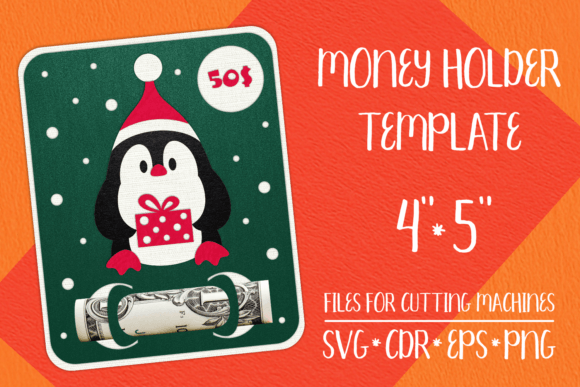
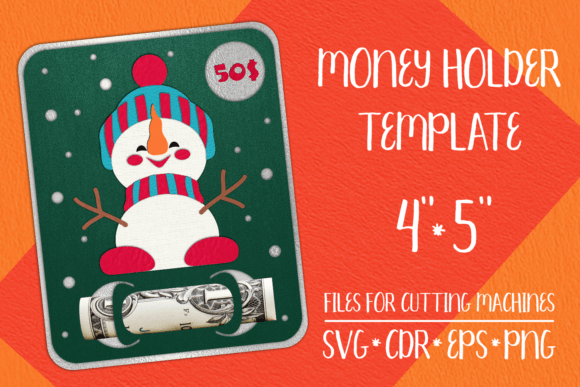
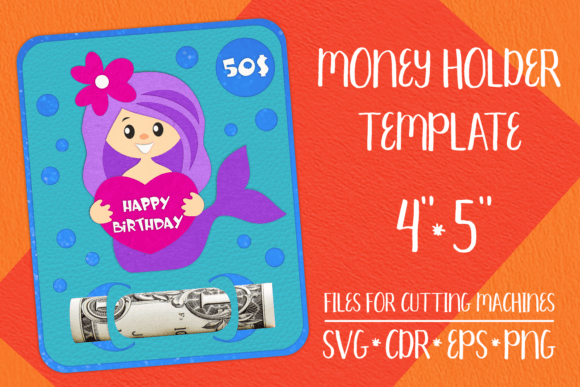
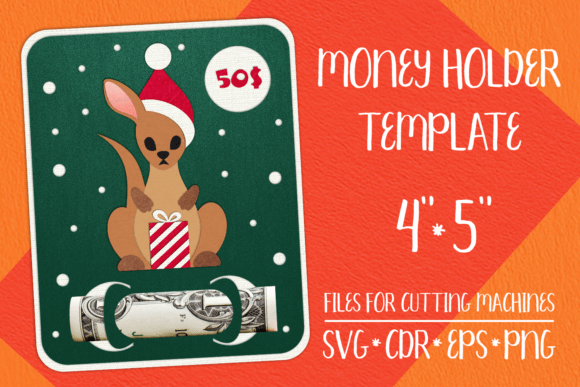
This isn't just another cute holiday graphic. It is a functional 3D SVG template intended for cutting machines, but its application in the embroidery world is where the real potential lies. The concept is brilliant for the season: a kangaroo pouch designed specifically to hold cash or gift cards, turning a standard greeting into an interactive experience. But does it translate well from a digital cut file to a stitched finished product? Let's break it down.
First Impressions and Design Personality
The first thing that strikes me about the Kangaroo Christmas Card Money Holder is its playful utility. In the world of holiday embroidery, we often see static images—snowmen, trees, reindeer—that sit flat on a garment. This design demands interaction. The layout suggests a whimsical, friendly vibe that fits perfectly within the Australian summer Christmas aesthetic or simply as a unique twist on traditional winter holidays.
Visually, the shape is distinct. For an embroidery project, this means clear definition is key. If you are adapting this cut file into an applique design or digitizing it for stitching, the lines need to be clean to ensure the "pouch" function is obvious. A muddy outline ruins the illusion. The mood is lighthearted and generous, making it an instant conversation starter. It feels less like a decoration and more like a game, which adds significant value to whatever item you attach it to.
Real-World Application Scenarios
I recently imagined using this for a boutique client who specializes in high-end custom apparel for families. They wanted something beyond the standard monogrammed stocking. The Kangaroo Christmas Card Money Holder shined here as a concept for a heavy-weight fleece sweatshirt embroidery project. Picture a cozy cream-colored hoodie with the kangaroo stitched on the front pocket area. The pouch itself could be constructed from a contrasting felt or wool blend, secured with a satin stitch border, creating a literal pocket for a gift card.
Beyond apparel, this design screams potential for home decor. Imagine a linen tote bag design where the kangaroo holds a reusable shopping list or a small treat. For baby embroidery, this could be adapted onto a burp cloth or a nursery wall hanging, serving as a spot for parents to tuck away small essentials. The versatility extends to embroidered patch creation as well. If you digitize the outline and fill areas correctly, this could be a standalone iron-on or sew-on patch that customers can apply to their own jackets or bags later.
For Etsy sellers and craft business owners, the commercial appeal is strong. It solves a gifting problem: how to give money without it feeling impersonal. By integrating this into a handmade product, you elevate a twenty-dollar bill into a memorable keepsake. It works exceptionally well for personalized gift bundles, perhaps paired with a matching tea towel or apron for the hostess who has everything.
Technical Considerations and Fabric Choices
However, enthusiasm must be tempered with technical reality. Since the source material is described as a 3D SVG for cutting machines, embroidery professionals need to exercise caution. You cannot simply feed an SVG into your embroidery machine without proper digitization or adaptation. If you are using this as a guide to create an applique design, pay close attention to the stitch density.
If you attempt to fill the entire kangaroo shape with dense fill stitch on a stretchy fabric like a t-shirt, you risk puckering and distortion. The "pouch" area needs to remain flexible enough to actually hold a card without warping the garment. I recommend using a medium-weight cutaway stabilizer for items that will be washed frequently, like sweatshirt embroidery or baby clothes. For decorative items like pillow covers that won't see much agitation, a tear-away might suffice, but always test first.
Fabric texture plays a huge role here. On a textured waffle weave or a thick terrycloth kitchen towel, fine details might get lost. The running stitch outlines need to be thick enough to stand out against the fabric grain. Conversely, on smooth broadcloth, you have more freedom for intricate satin stitch details around the kangaroo's face and paws. Be wary of dark fabrics; if the design relies on light thread colors for contrast, ensure your digitizing includes a solid underlay to prevent the background fabric from peeking through and dulling the vibrancy.
Impact on Brand and Customer Perception
From a branding perspective, offering a product featuring the Kangaroo Christmas Card Money Holder signals creativity. It tells your customers that you think about function, not just form. This builds customer trust and enhances brand consistency if your shop focuses on clever, usable goods. It increases the giftability of your items. A plain embroidered hat is nice; a hat with a functional kangaroo money holder is a story.
In terms of visual appeal, the success lies in the execution of the pocket mechanism. If the stitching is sloppy, the pocket won't open or close smoothly, leading to frustration. Precision in the corner turns and the opening of the pouch is critical. This level of detail separates amateur hobbyists from professional small shop product creators. When done right, it drives buyer engagement because people want to touch it, open it, and see how it works.
Practical Notes for the Designer
Before you commit to a full production run or list this as a digital embroidery file for sale, there are several steps you must take. First, test the design on scrap fabric that matches your final product. Do not skip this. Check how the thread color contrast looks in natural light versus indoor lighting. Review the stitch density specifically in the pouch area to ensure it doesn't become too stiff.
Confirm your hoop size limitations. While the description mentions sizes around 4" and 5", always measure the actual bounding box of your digitized version to ensure it fits your machine's smallest hoop if you plan on making patches or small accessories. Inspect small details like the eyes and nose; these often require manual cleanup in your software to prevent thread nests.
It is also wise to test the design in black and white mockups to judge the tonal value without the distraction of color. Compare how it sits on both light and dark fabric backgrounds. Most importantly, since this is marketed as a DIGITAL PRODUCT with files for cutting machines, you must confirm licensing before selling finished items or digital derivatives. The description notes you need appropriate software for the file formats; ensure you have the rights to convert these SVGs into embroidery formats for commercial use. Never assume a cut file license extends to embroidery sales without verification.
The Kangaroo Christmas Card Money Holder is a standout concept that bridges the gap between digital crafting and tangible textile art. With careful attention to stabilizer choice, stitch types, and fabric selection, it can transform a simple holiday gesture into a cherished, functional piece of art. Whether you are decorating a cap, sewing a blanket, or creating a line of commercial embroidery goods, this design offers a fresh, engaging avenue for creativity this season.