Layered Family Papercut 3 SVG: A Designer's Review
As a designer who spends more time staring at stitch maps than most people care to admit, I approach every new digital embroidery file with a mix of curiosity and skepticism. We have all been there: you buy a design based on a pretty thumbnail, only to find out later that the stitch density is a nightmare or the details are too fine for anything but pristine linen. Today, I am taking a close look at the Layered Family Papercut 3 SVG. This isn't just a quick glance at the preview image; this is an evaluation of how this specific asset holds up when you move from the screen to the hoop, specifically for those of us running small shops or creating high-end personalized gifts.
The Visual Personality and First Impressions
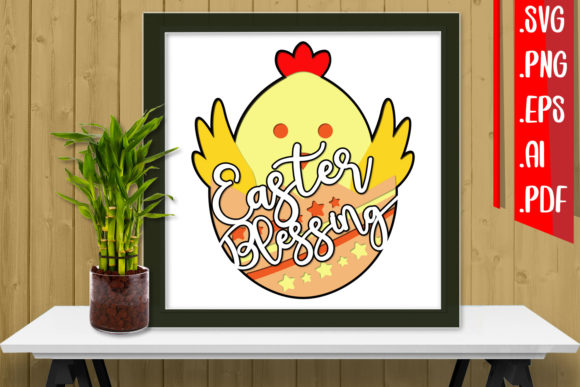
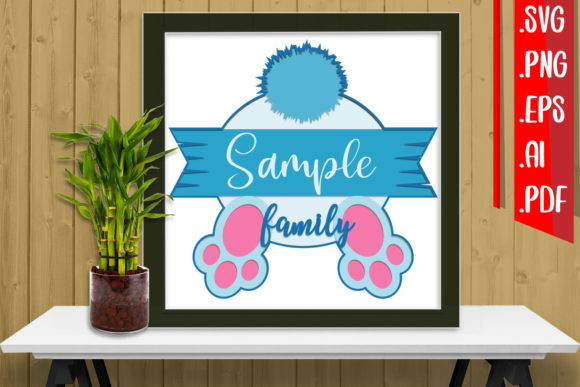
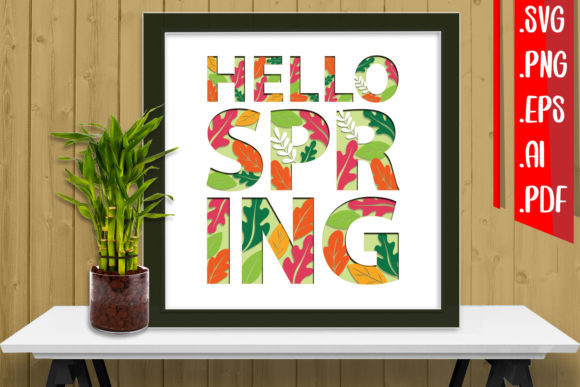
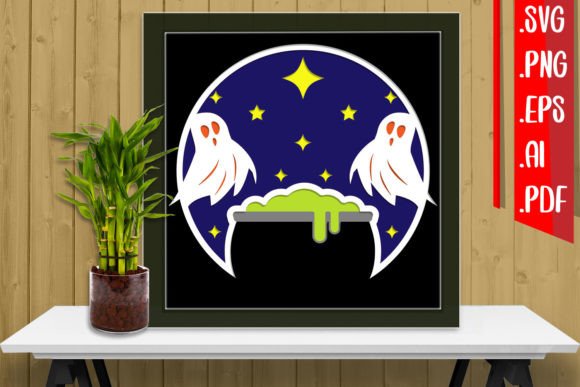
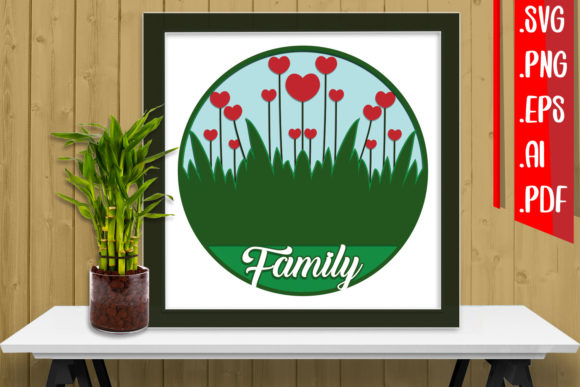
When I first opened the files for the Layered Family Papercut 3 SVG, the immediate impression was one of clean, architectural simplicity. The "papercut" aesthetic has been trending for a while in the world of Shadow Boxes and wall art, but translating that layered depth into thread requires a different mindset. The design relies heavily on negative space and distinct separation between elements to create that illusion of depth. For an embroiderer, this is both a blessing and a challenge. The layout suggests a modern, minimalist mood that fits perfectly with current boutique trends. It feels less like a traditional floral motif and more like a contemporary statement piece. The shapes are bold enough to read clearly from a distance, which is crucial if you are planning to use this on larger items like tote bags or pillow covers.
Real-World Application: The Custom Sweatshirt Scenario
To truly test the viability of this design, I imagined a specific client request: a custom family reunion sweatshirt. The client wants something that looks professional but not overly corporate. Here is where the Layered Family Papercut 3 SVG shines. Because the design mimics cut paper, it translates beautifully into a satin stitch application on a fleece or heavy cotton blend. The sharp edges of the vector paths allow for crisp satin columns that define the layers without bleeding into each other.
If I were stitching this for a handmade product line, I would likely place it on the upper left chest of a premium hoodie or centered on the back of a canvas tote bag design. The visual weight of the design is substantial enough to stand alone without needing extra filler motifs. For an Etsy seller, this versatility is gold. You can offer this as a standalone personalized gift option or incorporate it into a larger collection of family-themed apparel. The clean lines ensure that even on textured fabrics like French terry, the design remains legible. However, one must be careful with the thread colors. Since the design relies on layering, using shades that are too similar can flatten the effect. High contrast is key to maintaining the 3D illusion intended by the original papercut concept.
Navigating Fabric Textures and Hoop Limitations
While the design is robust, it is not without its constraints. As with any intricate machine embroidery design, the fabric choice dictates the success of the finished product. If you are attempting this on a stretchy knit or a very thin poly-cotton blend, you must invest in a high-quality stabilizer. The sharp corners inherent in papercut styles can sometimes pull or pucker if the fabric shifts during stitching. I would strongly advise against using this on highly textured towels unless you are using a water-soluble topping to keep the stitches sitting on top of the loops rather than sinking in.
Another critical factor is the hoop size. Although the file formats provided include SVG, AI, EPS, and PNG, which are scalable, the physical limitations of your embroidery machine matter. If you are downsizing this design to fit on a baby onesie or a cap, you risk losing the definition between the layers. Tiny gaps might fill in with thread, turning your delicate layers into a solid blob. For baby embroidery or embroidered patch projects, I recommend testing a sample run on scrap fabric first. Check the smallest details to ensure they do not become dense clumps of thread. If the design feels too crowded at a smaller scale, it might be better suited for flat items like aprons or kitchen towels where you have more real estate to work with.
Commercial Viability and Brand Consistency
For those of us operating as craft business owners, the consistency of our output is our reputation. The Layered Family Papercut 3 SVG offers a level of professionalism that can elevate a small shop product from amateur to artisan. When a customer receives a garment with clean, well-defined stitching, it builds trust. This design, when executed correctly, signals that attention was paid to detail. It works exceptionally well for holiday embroidery projects, such as matching family pajamas or commemorative ornaments, where the theme of unity and connection is paramount.
However, before listing this as a commercial embroidery option, you need to verify the licensing terms. The product description mentions an instant digital download with various file types, but it does not explicitly state the commercial usage rights for the stitched成品 (finished goods). Always confirm whether you are allowed to sell physical items made with this design or if it is for personal use only. Additionally, since the listing mentions "3D SVG" and "Shadow Boxes," there is a potential crossover market here. You could potentially use the PNG or PDF layers to create printable mockups for your online store, showing customers how the design would look on different products before they even buy.
Practical Notes for the Studio
Before you commit to a full production run, here are a few practical steps I recommend taking with this specific file:
- Test on Scrap: Always stitch a sample on the exact fabric you intend to use. Thread tension can vary wildly between denim and jersey.
- Check Contrast: View your design in black and white on your computer screen. If the layers disappear in grayscale, they will likely get lost in the stitching too.
- Review Stitch Density: Look closely at the fill areas. If they seem too dense, consider adjusting your machine settings or using a lighter weight thread to prevent stiffness.
- Inspect Corners: Pay special attention to the sharp angles typical of papercut designs. Ensure your machine handles these turns cleanly without bird-nesting.
- Verify File Compatibility: The listing provides SVG, AI, EPS, and PNG. Ensure your software can convert these into the specific embroidery format your machine requires, as this is a vector graphic package, not necessarily a pre-digitized stitch file for all machines.
In conclusion, the Layered Family Papercut 3 SVG is a versatile and visually striking asset that bridges the gap between digital art and tactile craft. It demands respect for fabric choices and stabilizer techniques, but when handled with care, it produces a finished product that feels modern, thoughtful, and deeply personal. Whether you are decorating a boutique or making a gift for a loved one, this design has the potential to be a standout piece in your portfolio.